By Dr. Boris Nektalov, DNM, DC, Chiropractor & Enzyme Nutrition Specialist · Nektalov Chiropractic & Wellness, Forest Hills, Queens NY
Published: November 19, 2026 · Last reviewed: November 19, 2026
You can replace a heart, a knee or a tooth. But not your spine.
Quick answer: There is no routine medical procedure that can replace your entire spine. Surgeons can repair or replace individual parts, such as discs and vertebrae, but the whole spinal column, which supports your body and protects your spinal cord, can't be swapped out. That's why protecting it with regular activity, strength, healthy weight, safe lifting and good ergonomics matters throughout your life.
Key takeaways
- Teeth, knees, hips and even some organs can be replaced. Your whole spine cannot.
- Your spine protects the spinal cord, part of your central nervous system.
- Low back pain is the leading cause of disability worldwide, affecting about 619 million people in 2020 (WHO).
- Spinal manipulation can modestly improve pain and function for some low back pain patients (JAMA 2017; BMJ 2019).
- Simple daily habits are your best long-term protection.
What parts of the body can modern medicine replace?
Think about how far modern medicine has come.
- Lose a tooth? We have dental implants.
- Damage your knee or hip? Joint replacement surgery may restore mobility.
- Lose a limb? Modern prosthetics can help people regain independence.
- Even when vital organs such as the heart, kidneys or liver fail, transplantation may be possible for selected patients.
But what happens when your spine begins to fail? Can you simply replace it?
Can you replace your spine?
No. There is no established medical procedure for transplanting an entire human spine. I wish more people thought about that before they start experiencing serious back pain, neck problems or neurological symptoms.
I'm Dr. Boris Nektalov, chiropractor and enzyme nutrition specialist at Nektalov Chiropractic & Wellness in Forest Hills, Queens. One message I regularly share with patients is simple:
You can replace many things in your body, but you cannot replace your entire spine. Take care of the one you have.
Modern medicine can replace individual spinal structures. Surgeons perform disc replacements, spinal fusions, vertebral reconstruction and other sophisticated procedures, which can be extremely valuable for the right patients.
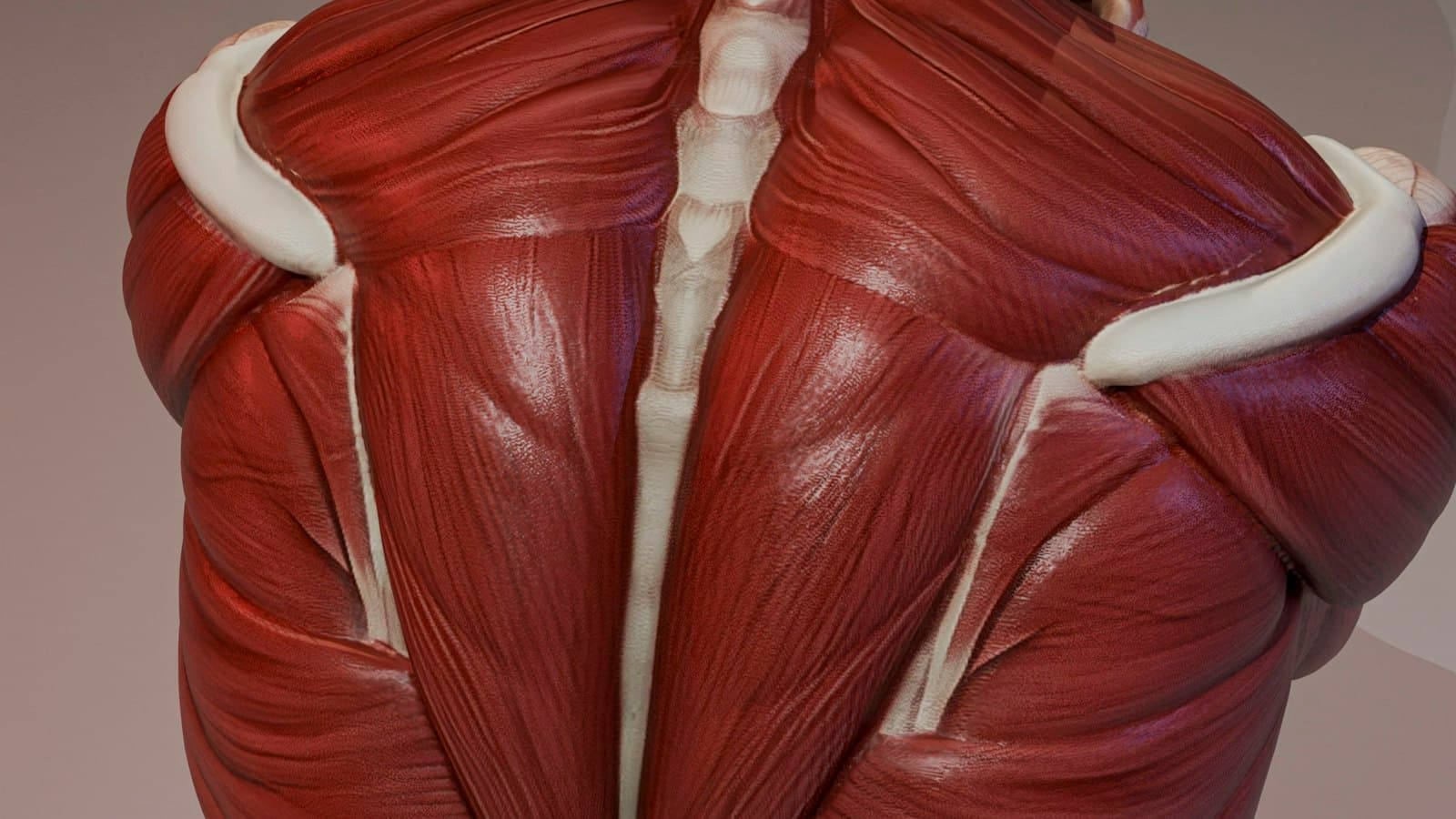
Replacing a whole spine is a completely different challenge. The spine is made of vertebrae, intervertebral discs, joints, ligaments, muscles and complex neurological structures, and its relationship with the spinal cord and nerve roots makes it far more complicated than replacing a single joint.
Spinal surgery and regenerative medicine keep advancing, but there is currently no routine whole-spine transplant that can restore all of its original functions. Once certain structures are severely damaged, treatment may improve symptoms or restore stability, but it can't always return the spine to its original condition.
What does your spine actually do?
Most people think about their spine only when their back hurts. But it does extraordinary work every second of your life:
- Support: it holds up your head and torso and helps maintain posture.
- Shock absorption: it absorbs mechanical forces as you move.
- Movement: it lets you bend, twist and walk.
- Protection: it surrounds and protects your spinal cord.
The spinal cord is part of the central nervous system, along with the brain. It carries signals between your brain and much of your body, helping coordinate movement, sensation, reflexes and many automatic functions. Without a functioning spinal cord, communication between the brain and parts of the body can be severely disrupted, which is why spinal cord injuries can be so devastating.
Your spine isn't just holding you up. It protects a critical communication pathway between your brain and the rest of your body.
How can spinal problems affect your nerves?
The vertebral column protects the spinal cord, but certain spinal conditions can affect neurological structures:
- A herniated disc may irritate a spinal nerve root and cause radiating pain, numbness, tingling or weakness.
- Severe spinal stenosis can compress neurological structures and interfere with normal function.
- Spinal trauma can sometimes cause permanent neurological injury.
That's why identifying serious spinal problems matters. It's equally important to know that ordinary back pain doesn't necessarily mean your spinal cord is damaged or that communication between your brain and organs has been disrupted.
Chiropractic adjustments have not been shown to improve every organ's function by correcting spinal misalignments. But maintaining spinal mobility, strength and overall musculoskeletal health can support physical function and quality of life. Your spine deserves attention because of what it does, not because every ache means your nervous system is failing.
What's the real cost of neglecting your spine?
Many people maintain their cars more consistently than their bodies. They change the oil, rotate the tires and fix mechanical problems before they become expensive repairs.
With back pain, the approach is often different. People ignore recurring stiffness, tolerate discomfort at their desk, keep lifting despite worsening symptoms, and wait until the pain is hard to manage before getting advice.
Not every episode of back pain means serious damage, and many cases improve on their own. But persistent or worsening symptoms shouldn't be ignored. According to the World Health Organization, about 619 million people worldwide had low back pain in 2020, and it is the leading cause of disability worldwide. For millions of people, spinal pain affects work, mobility, independence and quality of life. (We look at the financial side in Is Chiropractic Care Worth the Cost?)
7 ways to protect your spine
Many protective habits can start long before significant symptoms develop:
- Stay physically active. Regular movement supports musculoskeletal health.
- Build strength. Strength training helps support your spine.
- Maintain a healthy body weight.
- Avoid tobacco.
- Lift safely. Use proper lifting technique, and don't keep lifting through worsening pain.
- Take movement breaks if you sit for hours at a desk.
- Improve your workstation ergonomics. See our guide to tech neck and posture.
When should you get your back or neck checked?
See a qualified professional if back or neck symptoms are persistent, recurring or getting worse, or if you notice radiating pain, numbness, tingling or weakness. An appropriate examination can help determine whether you need conservative treatment, exercise rehabilitation or a medical evaluation.
Can chiropractic care help protect your spine?
Chiropractic care is one conservative option for managing certain musculoskeletal conditions.
A 2017 systematic review in JAMA of 26 randomized clinical trials found that spinal manipulation for acute low back pain was associated with improvements in pain and function over about six weeks.
A 2019 systematic review in The BMJ of 47 randomized clinical trials, involving more than 9,000 patients with chronic low back pain, found that spinal manipulation produced outcomes broadly comparable to other recommended conservative treatments.
These findings support spinal manipulation as one possible treatment for certain types of back pain. They do not show that adjustments prevent spinal degeneration, reverse aging or guarantee protection against future injuries.
At Nektalov Chiropractic & Wellness, we focus on individualized care that may include chiropractic adjustments, posture correction, rehabilitation exercises and selected conservative therapies. For appropriate conditions we also offer spinal decompression therapy, shockwave therapy and red light therapy in Queens. Not every patient needs every treatment, and no procedure can guarantee prevention of future spinal problems.
Frequently asked questions
Can you get a spine transplant or replace your whole spine?
No. There is currently no routine medical procedure to transplant or replace an entire human spine. Surgeons can replace or repair individual parts, such as discs or vertebrae, through procedures like disc replacement and spinal fusion.
What does the spine do?
The spine supports the body, helps maintain posture, absorbs mechanical forces, allows you to bend and twist, and protects the spinal cord, which carries signals between the brain and much of the body.
How can I protect my spine?
Stay physically active, build strength, maintain a healthy body weight, avoid tobacco, use safe lifting techniques, take movement breaks if you sit for long periods, and improve your workstation ergonomics.
Does chiropractic care help back pain?
Research shows spinal manipulation can provide modest improvements in pain and function for some people with low back pain, with results broadly comparable to other recommended conservative treatments. It has not been shown to prevent spinal degeneration or guarantee protection from future injury.
Does back pain mean my spinal cord is damaged?
Usually not. Ordinary back pain does not necessarily mean the spinal cord is damaged. Symptoms such as radiating pain, numbness, tingling or weakness should be evaluated, because they can signal nerve involvement.
Your spine is irreplaceable. Treat it that way.
A damaged tooth may be replaced with an implant. A severely arthritic knee may be replaced with an artificial joint. A failing organ may sometimes be replaced through transplantation. But your spine is different. It's a complex, integrated structure that supports your body and protects your spinal cord, and you can't exchange it for a new one.
Whether you're dealing with back pain, sciatica, neck stiffness, a herniated disc or another musculoskeletal concern, understanding your condition and acting early may help preserve your mobility and independence.
You only get one spine. Protect it, strengthen it and take care of it, because your ability to move, function and live independently depends on it.
Book a spine evaluation in Forest Hills, Queens.
About the author
Dr. Boris Nektalov is a chiropractor and enzyme nutrition specialist at Nektalov Chiropractic & Wellness in Forest Hills, Queens, NY. Meet Dr. Nektalov.
References
- World Health Organization. Low back pain (fact sheet), 2023.
- Paige NM, et al. Association of spinal manipulative therapy with clinical benefit and harm for acute low back pain. JAMA. 2017. Full text
- Rubinstein SM, et al. Benefits and harms of spinal manipulative therapy for the treatment of chronic low back pain. The BMJ. 2019. Full text
This article is intended for informational purposes and does not constitute medical advice. Always consult a licensed healthcare provider regarding your specific condition.