By Dr. Boris Nektalov, DNM, DC, Chiropractor & Enzyme Nutrition Specialist · Nektalov Chiropractic & Wellness, Forest Hills, Queens NY
Published: October 2, 2026 · Last reviewed: October 2, 2026
The short answer: The upper cervical spine—the atlas (C1) and axis (C2)—supports your head, guides head rotation, and protects sensitive neurology at the skull base. Misalignment or restricted motion here contributes to cervicogenic headaches, neck pain after whiplash, dizziness in some patients, and the forward-head posture that fuels “tech neck.” Upper cervical chiropractic uses precise, often low-force adjustments focused on this region, supported by research on neck pain and headache outcomes when care is individualized.
Forest Hills patients often feel upper neck tension long before they connect it to headaches or shoulder pain. This guide explains what upper cervical care is, what evidence supports, and how it fits into whole-spine treatment at our Queens clinic.
Why the Top of the Neck Matters So Much
Your head weighs about 10–12 pounds—roughly a bowling ball—balanced on a small column of vertebrae. When the atlas shifts or locks out of normal motion, neck muscles work overtime, joint receptors fire abnormally, and pain can refer to the head, face, or upper back. Whiplash, falls, prolonged desk work, and sleep posture all stress this area.
Upper cervical chiropractors measure leg length, posture, range of motion, and sometimes imaging to understand how head-on-neck alignment affects the rest of the spine. Correction is not about forcing maximum motion; it is about restoring neutral balance with the least force appropriate for the patient.
What the Research Shows
For mechanical neck pain, dose-response data help clarify how often and how long care may be needed. A 2018 trial by Haas et al. in Spine found that higher visit frequency of spinal manipulation for chronic neck pain produced greater improvement in pain and disability than lower frequency over a defined treatment period—supporting individualized plans rather than one-size-fits-all schedules.
Safety questions understandably arise with neck treatment. A landmark population-based study by Cassidy et al. (2008) in Spine compared vertebrobasilar stroke risk after chiropractic visits versus primary care visits for neck pain. Both groups showed a small association around the time of care, suggesting shared early symptoms of dissection rather than manipulation as a unique cause. Responsible clinicians still screen for vascular red flags and choose low-force techniques when appropriate.
Headaches, Whiplash, and Tech Neck
Cervicogenic headaches and whiplash injuries frequently involve upper cervical dysfunction. If your headache worsens when you look down at your phone or eases when you move your neck a certain way, the neck is a likely contributor. Our detailed guide on cervicogenic headache and whiplash treatment walks through symptoms, diagnosis, and conservative options after motor vehicle accidents in Queens.
Daily posture also loads the upper cervical spine. Forward head posture and rounded shoulders—upper crossed syndrome—pull on the occipital muscles and stiffen the mid-back. Read about upper crossed syndrome and tech neck for exercises and chiropractic strategies that complement upper cervical work.
What Treatment Looks Like (Without a One-Size-Fits-All Gimmick)
Marketing sometimes sells a branded upper cervical method as the only valid approach. In clinical practice, what matters is precision: accurate assessment, appropriate imaging when red flags or trauma warrant it, and precise, often low-force adjustments at the atlas–axis complex when indicated—plus thoracic and soft-tissue care when the rest of the spine compensates.
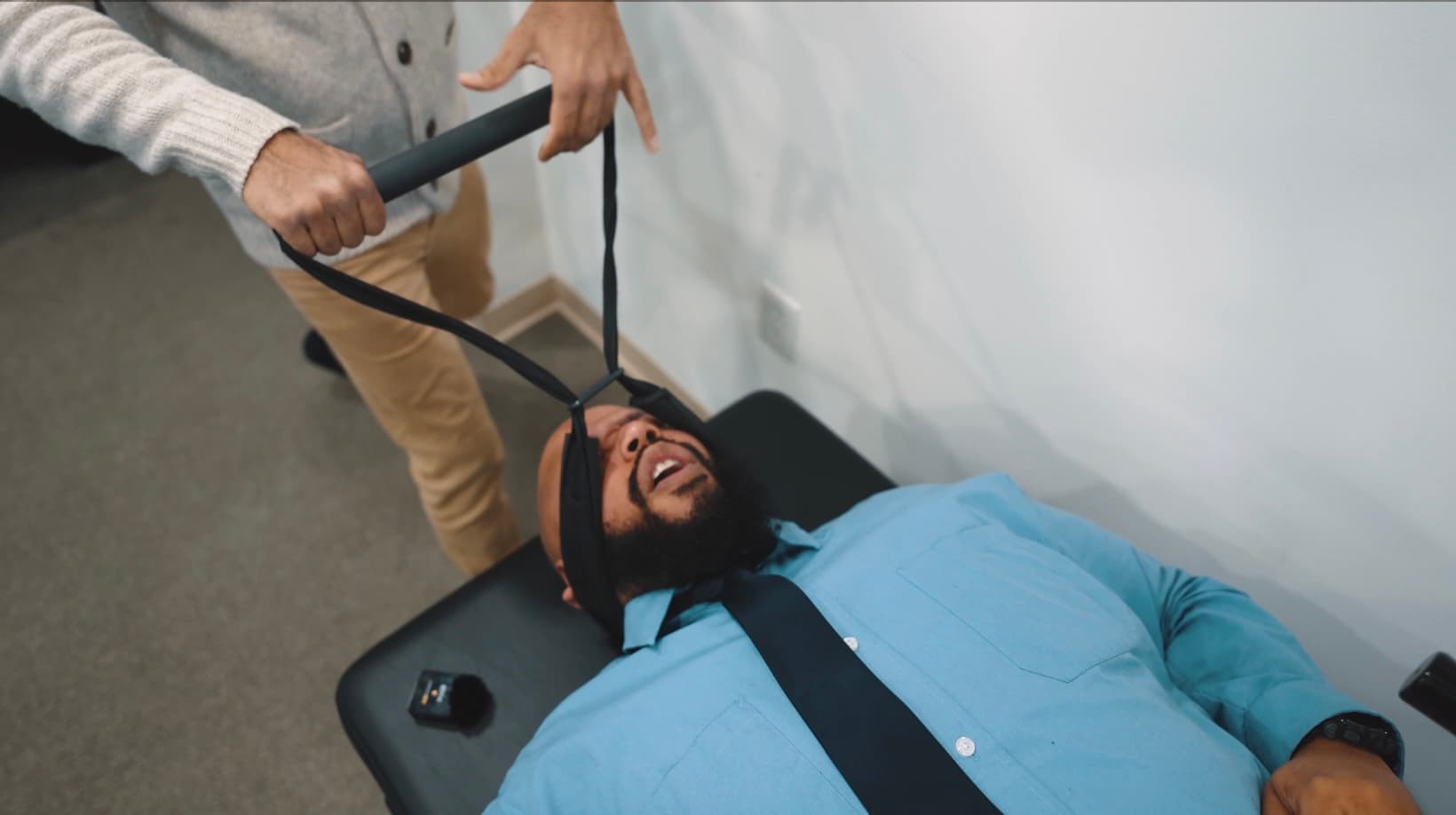
At Nektalov Chiropractic & Wellness, upper cervical focus is integrated into full evaluation. We add spinal decompression, shockwave therapy, rehabilitation, and enzyme nutrition when inflammation or gut-related recovery issues are part of the picture—not isolated neck twists without context.
The Bottom Line
Upper cervical chiropractic targets the most mobile—and most vulnerable—segment of the spine. Evidence supports structured manipulative care for neck pain and cervicogenic headache when matched to the right patient, with safety screening and technique selection that respect vascular risk. Pairing upper cervical correction with posture rehab and whole-spine care usually beats chasing a single magic adjustment.
Schedule a neck and headache evaluation or book online. 108-50 71st Ave, Lower Level, Forest Hills, NY 11375 · (718) 275-9000
Frequently asked questions
What is upper cervical chiropractic care?
Upper cervical care focuses on the alignment and motion of the top two neck vertebrae (the atlas and axis) and their relationship to head balance, nerve function, and posture. Chiropractors use detailed examination—often including precise imaging when indicated—and deliver focused, often low-force adjustments rather than full-spine manipulation at every visit.
Can upper cervical misalignment cause headaches?
Cervicogenic headaches originate from neck structures, including the upper cervical spine. Dysfunction at the occiput–C1–C2 region can refer pain to the head and worsen with neck movement. Research supports spinal manipulation for cervicogenic headache, though individual response varies and diagnosis should rule out other headache types.
Is upper cervical chiropractic safe?
For appropriately selected patients, cervical manipulation performed by a trained clinician has a favorable safety profile compared with many medical interventions. Population studies have not shown a causal excess of stroke from chiropractic care when contrasted with primary care visits for neck pain. Still, clinicians screen for vascular red flags and use the least force necessary—including low-force upper cervical techniques when indicated.
How is upper cervical care different from general chiropractic?
General chiropractic addresses the full spine and extremities as needed. Upper cervical–focused care emphasizes the craniocervical junction, head/neck balance, and precise correction of atlas or axis restrictions. Many practitioners integrate both: targeted upper cervical work plus thoracic, lumbar, and rehab when the clinical picture requires it.
Where can I find upper cervical–focused chiropractic in Forest Hills, Queens?
Nektalov Chiropractic & Wellness evaluates neck-related headaches, whiplash, and postural strain with full-spine and upper cervical assessment. Dr. Boris Nektalov uses precise, often low-force adjustments tailored to the patient. Call (718) 275-9000 or visit 108-50 71st Ave, Lower Level, Forest Hills, NY 11375.
This article is intended for informational purposes and does not constitute medical advice. Seek emergency care for sudden severe headache, vision loss, slurred speech, or other stroke symptoms.