By Dr. Boris Nektalov, DC · Enzyme Nutrition Specialist · Nektalov Chiropractic & Wellness, Forest Hills, Queens NY
Published April 6, 2026 · Last updated April 6, 2026 · Chiropractic Care · Enzyme Nutrition · Digestive Health
Chiropractic recovery depends on more than spinal alignment — it depends on your body's ability to repair itself at the cellular level. That repair process is powered by nutrients. And nutrients only become available to your cells if your digestive system is breaking them down efficiently. When digestion is impaired, healing slows, inflammation persists, and patients who should be improving often plateau.
This is why at Nektalov Chiropractic & Wellness in Forest Hills, Queens, we approach health from two directions simultaneously: structural correction through chiropractic care, and internal support through enzyme nutrition therapy.
What is the connection between digestion and chiropractic recovery?
In short: healing needs nutrients, and nutrients need efficient digestion. When that chain breaks, chiropractic patients may improve more slowly than expected — not because adjustments are wrong, but because the body lacks the raw materials and enzyme efficiency to finish the job.
The role of enzymes in healing and body function
The human body runs on enzymes. Two categories matter most for recovery:
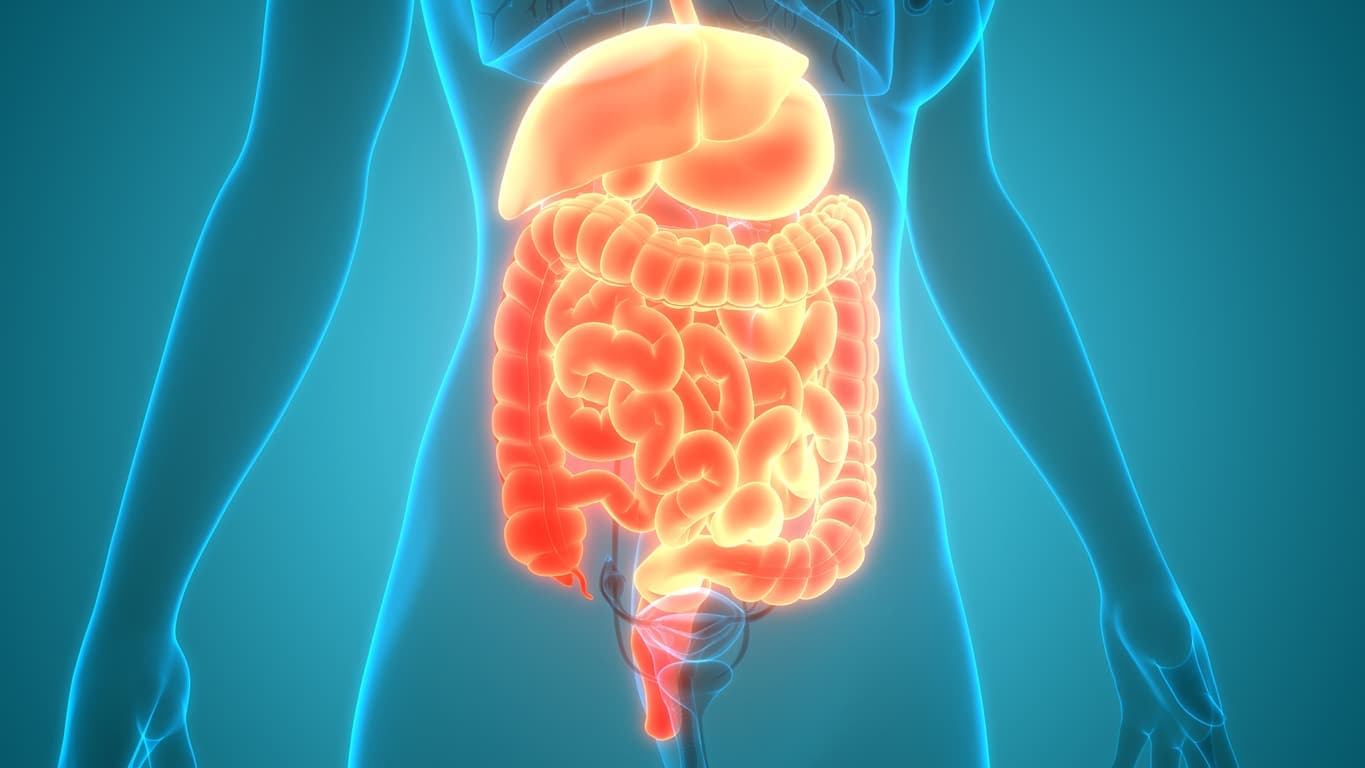
Digestive enzymes break food into usable components. Proteins require proteases, fats require lipase, and carbohydrates rely on amylase. These enzymes are produced by the stomach, liver, and pancreas, and they determine how much nutritional value your body actually extracts from what you eat.
Metabolic enzymes — produced by every cell in the body — take those nutrients and convert them into energy for your muscles, joints, nerves, and organs. Without adequate metabolic enzyme activity, your body cannot produce the energy it needs to heal, repair tissue, or maintain balance across organ systems.
According to the National Institutes of Health, enzyme activity is influenced by stress, pH levels, hydration, and temperature — all of which can be disrupted by injury, poor diet, or chronic physical strain.
"In my clinical experience, patients who address both spinal alignment and digestive enzyme function recover faster than those who treat only one system. The spine and gut communicate constantly through the autonomic nervous system — you can't fully correct one while ignoring the other."
— Dr. Boris Nektalov, DC, Enzyme Nutrition Specialist, Forest Hills NY
Why digestion is the foundation of musculoskeletal health
The human body is made up of interconnected organ systems. Each depends on the others to maintain homeostasis. When the digestive system underperforms, downstream systems suffer:
- Muscles and joints receive fewer amino acids for repair
- The nervous system loses access to B vitamins, magnesium, and omega-3s that regulate nerve function
- The immune system becomes less effective at managing inflammation
- Energy production declines, slowing tissue recovery
Research published in the Journal of Nutrition has shown that nutrient absorption deficiencies are significantly more common in individuals with chronic musculoskeletal pain than in pain-free populations — suggesting the gut-spine relationship is bidirectional, not incidental.
For digestion to function at full capacity, the body needs the right conditions: correct pH in the stomach and small intestine, adequate hydration (the NIH notes the body is largely water, and even mild dehydration reduces enzyme efficiency), sufficient body temperature, and thorough chewing before food reaches the stomach.
How stress disrupts enzyme production — and prolongs pain
Stress is one of the most underestimated barriers to recovery. Physical stress from injury, emotional stress from daily life, and chemical stress from processed foods all reduce the body's capacity to produce and use enzymes effectively.
When the body perceives stress, it prioritizes the sympathetic nervous system — the "fight or flight" response — over the parasympathetic system, which governs digestion and repair. The American Chiropractic Association notes that chronic stress dysregulation is a contributing factor in persistent musculoskeletal pain, particularly in the lower back and neck.
The practical result: a patient who is eating well but under significant stress may still have poor nutrient absorption, persistent inflammation, and slower healing times — not because of their diet alone, but because enzyme production can be downregulated by the nervous system's stress response.
How chiropractic care supports digestion (not just the spine)
The nervous system controls digestion. Nerve signals from the thoracic and lumbar spine regulate the stomach, small intestine, liver, and pancreas. When spinal misalignments — vertebral subluxations — compress or irritate those nerve pathways, the signals controlling digestive organ function can be disrupted.
This is why many patients report improvements in digestion, energy, and sleep alongside pain relief after beginning chiropractic care. Spinal correction supports more efficient nerve communication, which can improve the signaling that governs enzyme production and nutrient absorption.
A 2018 review in the Journal of Alternative and Complementary Medicine reported that patients receiving spinal manipulation therapy saw improvements in gastrointestinal symptoms alongside musculoskeletal outcomes, suggesting a shared neurological mechanism.
Nutritional support for recovery: what to prioritize
Whole and raw foods
Whole, minimally processed foods naturally contain enzymes that assist in their own digestion. Raw fruits, vegetables, fermented foods, and sprouted grains contribute to the enzyme load your body needs. Cooking above roughly 118°F (48°C) deactivates many naturally occurring food enzymes — so a diet heavy in cooked and processed food can place greater demand on your body's own enzyme production.
Plant-based enzyme supplementation
For patients dealing with chronic stress, digestive dysfunction, or high physical demand, plant-based enzyme supplements can help bridge the gap. They are not replacements for food — they are functional support tools that can reduce digestive burden, freeing metabolic resources for repair.
Hydration
Enzymes are proteins that operate in a water-based environment. Without adequate hydration, enzyme reactions slow, nutrient transport decreases, and joint lubrication can suffer. Most adults need consistent fluid intake, with more during active recovery — your clinician can personalize this.
Practical steps you can start today
- Slow down and chew thoroughly. Digestion begins in the mouth. Chewing activates salivary amylase and breaks food into smaller particles for downstream enzyme action.
- Hydrate before meals, not just during. Drinking water well before eating can prepare the digestive environment without diluting stomach acid at mealtime.
- Reduce ultra-processed foods during recovery. They offer minimal natural enzymes, often carry inflammatory load, and can tax digestive resources.
- Manage stress actively. Sleep, breathing practices, and moderating stimulants support parasympathetic function — the state in which digestion and repair run most efficiently.
- Support your gut with fermented foods. Yogurt, kefir, sauerkraut, and kimchi can support a gut environment favorable to enzyme activity.
Frequently asked questions
How does digestion affect chiropractic recovery?
Digestion determines whether nutrients reach your cells. During recovery, your body needs protein for tissue repair, fats for nerve function, and carbohydrates for energy. If digestive enzyme activity is impaired, absorption is partial — slowing healing even when spinal care is on track.
Can chiropractic adjustments improve digestion?
Often, yes. Nerves controlling digestive organs originate in the thoracic and lumbar spine. Misalignments can interfere with those pathways; correction supports clearer signaling and many patients notice digestive improvements alongside musculoskeletal changes.
What are metabolic enzymes and why do they matter for healing?
Metabolic enzymes are proteins inside your cells that convert nutrients into usable energy. They power cellular repair, immune function, muscle recovery, and organ activity. Stress, poor diet, and inadequate sleep can reduce metabolic enzyme efficiency — another reason recovery can stall.
How does stress affect enzyme production?
Chronic stress favors sympathetic ("fight or flight") tone over parasympathetic digestion and repair. That shift can reduce the efficiency of digestive and metabolic processes and contribute to slower healing.
What role does hydration play in enzyme function?
Enzymes need a water-based environment. Even mild dehydration can blunt reaction rates and slow nutrient transport. Consistent hydration is a low-cost, high-impact habit for recovery.
What is enzyme nutrition therapy and how is it used at your practice?
Enzyme nutrition therapy evaluates how well digestive and metabolic enzyme systems are functioning and uses targeted plant-based enzyme support, dietary adjustments, and stress strategies to restore efficiency. At Nektalov Chiropractic & Wellness, we integrate this with chiropractic care to support structure and the internal environment your body needs to heal.
About the author
Dr. Boris Nektalov, DC is a licensed chiropractor and certified enzyme nutrition specialist with over 15 years of clinical experience in Forest Hills, Queens, New York. He holds advanced training in spinal decompression therapy, structural correction, and functional enzyme nutrition — combining musculoskeletal and nutritional approaches to support whole-body recovery. Dr. Nektalov treats patients with back pain, sciatica, herniated discs, and chronic musculoskeletal conditions at Nektalov Chiropractic & Wellness, located at 108-50 71st Ave, Lower Level, Forest Hills, NY 11375.
→ Learn more about Dr. Nektalov · View our services · Read about Functional Enzyme Therapy
Ready to support your recovery from the inside out?
If you are in the Forest Hills or Queens area and want to understand how digestion and enzyme function may be affecting your recovery, our team is here to help. We offer evaluation that looks at both structural health and internal function — so your body has what it needs to heal.
Schedule a consultation · Call (718) 275-9000 · Contact us
Nektalov Chiropractic & Wellness · 108-50 71st Ave, Lower Level, Forest Hills, NY 11375 · (718) 275-9000
References
- National Institutes of Health — Water and Hydration: Physiological Basis in Humans. NIH National Library of Medicine.
- American Chiropractic Association — Stress and Musculoskeletal Health. ACA Clinical Resources.
- Budgell B, Polus B. The effects of thoracic manipulation on heart rate variability. Journal of Manipulative and Physiological Therapeutics. 2006.
- Haavik H, Murphy B. The role of spinal manipulation in addressing disordered sensorimotor integration and altered motor control. Journal of Electromyography and Kinesiology. 2012.
- Ndetan H, et al. The role of chiropractic care in the treatment of gastrointestinal conditions. Journal of Alternative and Complementary Medicine. 2018.