By Dr. Boris Nektalov, DNM, DC, Chiropractor & Enzyme Nutrition Specialist · Nektalov Chiropractic & Wellness, Forest Hills, Queens NY
Published: June 3, 2026 · Last reviewed: June 3, 2026
Hearing that you have a meniscus tear can be frightening — especially when conversations quickly turn toward injections or surgery. Many patients searching for a knee pain chiropractor in Forest Hills or non-surgical knee pain relief in Queens are unsure whether their knee can heal naturally.
Not every meniscus tear requires surgery. Many partial tears — and even some complete tears, depending on location, stability, age, and symptoms — can improve significantly with conservative treatment. The first step is a thorough clinical evaluation before making any decisions.
What Is a Meniscus Tear?
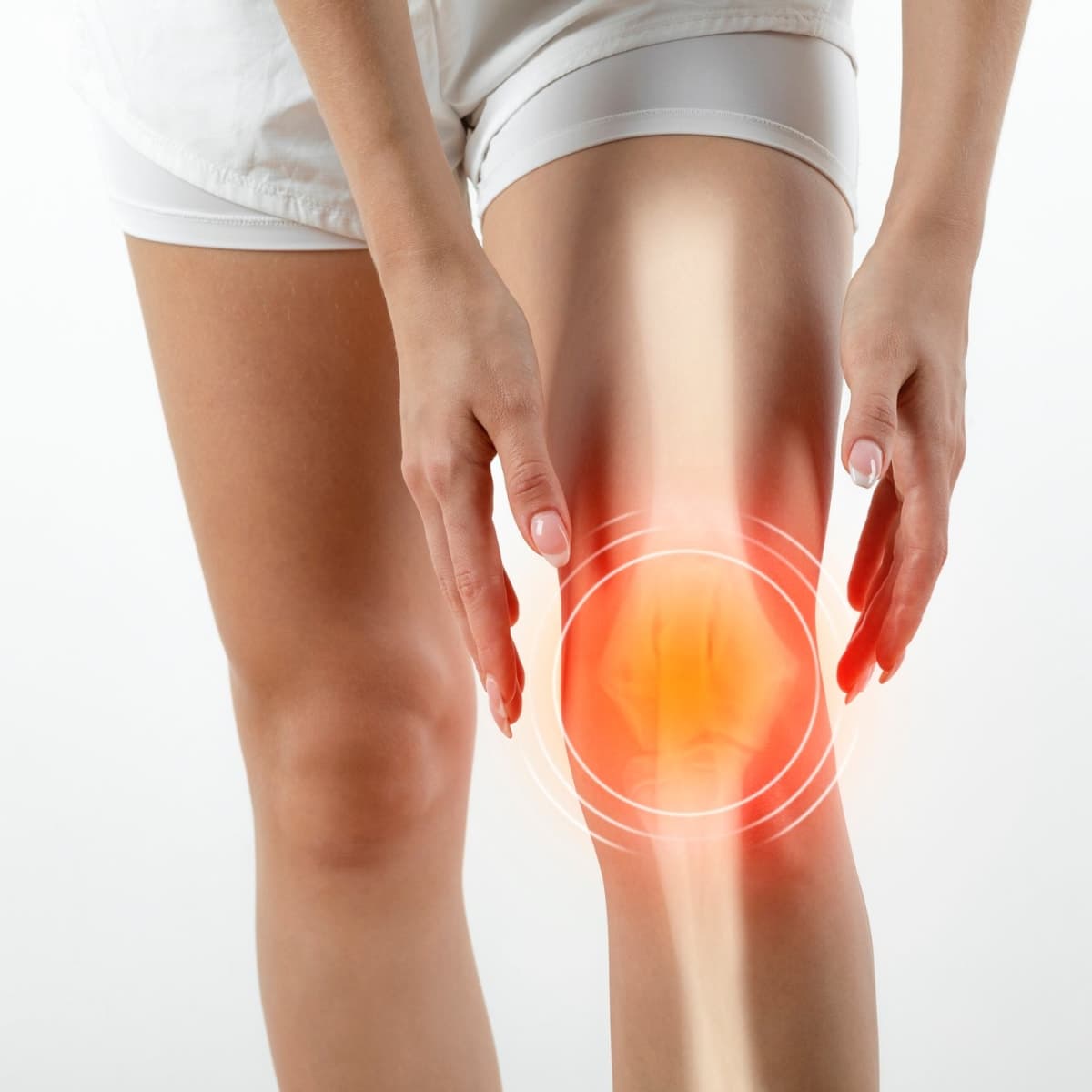
A meniscus tear is damage to the C-shaped cartilage inside the knee that acts as a shock absorber between the thigh bone (femur) and shin bone (tibia). Each knee has medial and lateral menisci that distribute weight, stabilize the joint, and protect cartilage during movement.
Common symptoms include:
- Swelling and stiffness around the knee
- Clicking, popping, or locking sensations
- Instability or giving way while walking
- Pain while squatting, twisting, or climbing stairs
- Limited range of motion
The outer third of the meniscus ("red zone") has better blood supply and stronger healing potential. The inner two-thirds ("white zone") have limited circulation — though conservative care can still help many patients.
Does a Meniscus Tear Automatically Require Surgery?
No. MRI findings alone do not determine whether surgery is necessary. Some people have meniscus tears on imaging with very little pain, while others have significant symptoms from relatively small tears.
Research has shown that many individuals — particularly as they age — have meniscus tears visible on MRI without significant knee pain. In several clinical studies, patients treated conservatively for degenerative meniscus tears achieved outcomes equivalent to those who underwent arthroscopic surgery.
| Situation | Conservative care may help | Seek immediate orthopedic evaluation |
|---|---|---|
| Partial meniscus tear | Often | |
| Complete tear, stable knee | Possible | |
| Locked knee (can't straighten) | Yes | |
| Major ligament damage (ACL/PCL) | Yes | |
| Unable to bear weight | Yes | |
| Fever with joint swelling | Yes | |
| Degenerative tear, mild–moderate symptoms | Often first-line |
What to Do After a Meniscus Tear Diagnosis: 6 Steps Before Considering Surgery
- Do not panic — understand your options. A diagnosis does not mean surgery is inevitable.
- Get a clinical evaluation, not just an MRI review. How the knee functions mechanically matters as much as the imaging report.
- Assess full-body mechanics. Pelvis, hips, spine, and feet often transfer excess stress into the knee.
- Manage inflammation inside and outside the joint. Mechanical treatment plus diet, hydration, and enzyme nutrition support.
- Begin rehabilitation. Controlled strengthening prevents muscle weakening that increases long-term joint stress.
- Be consistent and patient. Cartilage heals more slowly than muscle — consistency over weeks and months matters.
How Chiropractic Care Addresses Knee Pain and Meniscus Injuries
When the knee is injured, people unconsciously change how they walk and stand. Over time, compensations create hip pain, sciatica, postural imbalance, and ankle stress.
At our Forest Hills clinic, a chiropractic adjustment addresses more than the knee alone. Restoring alignment through the spine, pelvis, and hips reduces abnormal loading forces on the injured meniscus — helping the body heal more efficiently.
The Role of Nutrition and Inflammation in Meniscus Recovery
Diet, hydration, stress, and gut health influence inflammatory responses that directly affect how quickly an injured knee heals. Chronic systemic inflammation slows tissue recovery and can undermine excellent mechanical treatment.
Key factors include hydration, omega-3 intake, gut health, stress management, and healthy body weight.
MRI Findings Do Not Always Equal Symptoms
A significant percentage of asymptomatic adults over age 45 have meniscus tears visible on MRI with no knee pain. Clinical decision-making must be driven by actual function, symptoms, and goals — not imaging alone.
When to Seek Immediate Medical Evaluation
Seek immediate evaluation if you have: a knee that locks and cannot straighten, severe instability or inability to bear weight, significant acute trauma, rapid swelling with fever, or signs of major ligament damage. These situations may require orthopedic surgical evaluation.
Conservative care is appropriate for many meniscus injuries — but not all. Our goal is ensuring patients are not pushed toward invasive procedures before conservative options have been genuinely explored.
Your Knee Is Not Just an MRI Result
At Nektalov Chiropractic & Wellness in Forest Hills, Queens, we give the body the opportunity to heal naturally whenever possible before escalating toward invasive procedures.
Contact us for a thorough clinical evaluation, or book online. 108-50 71st Ave, Forest Hills, NY 11375 · (718) 275-9000
Frequently asked questions
Does every meniscus tear require surgery?
No. Many partial meniscus tears — and some complete tears depending on location, stability, age, and symptoms — can improve significantly with conservative treatment. Research shows that treatment decisions should be based on the patient's actual function and symptoms, not solely on MRI findings. Surgery may be necessary for severe instability, locked knee, or major ligament damage, but many patients improve without invasive procedures when given proper conservative care.
What is a meniscus tear?
A meniscus tear is damage to the C-shaped cartilage structure inside the knee that acts as a shock absorber between the thigh bone and shin bone. Each knee contains two menisci that help distribute weight, stabilize the joint, and protect cartilage surfaces during movement. When torn — partially or completely — patients typically experience swelling, clicking, locking, instability, stiffness, or pain during walking, squatting, or twisting.
What are the first steps after a meniscus tear diagnosis?
The first step is to avoid panicking and not rush into surgery. Seek a detailed clinical evaluation that assesses how your knee is actually functioning — not just what the MRI shows. Explore conservative care options including chiropractic treatment, inflammation management, nutrition support, and guided rehabilitation. Many patients improve significantly without surgery when addressed early and consistently.
Can chiropractic care help a meniscus tear?
Yes. Chiropractic care addresses the entire musculoskeletal chain — spine, hips, pelvis, and ankle — that affects knee mechanics. Abnormal stress transferred to the knee from a misaligned pelvis or hip can slow healing and increase pain. Chiropractic adjustments and rehabilitation focused on restoring joint mechanics, reducing inflammation, and strengthening surrounding structures can help many meniscus tear patients avoid surgery.
How can diet and nutrition affect meniscus tear recovery?
Diet, hydration, stress, and gut health all influence inflammatory responses in the body. Chronic inflammation slows tissue recovery and prolongs pain. Enzyme nutrition therapy — integrating targeted nutritional support with chiropractic care — helps control inflammation internally, which complements mechanical treatment and can accelerate healing after a meniscus injury.
Can a meniscus tear heal without surgery?
Many meniscus tears — particularly partial tears in the outer portion of the meniscus where blood supply is better — have the potential to heal or stabilize with conservative care. Healing requires time because cartilage and connective tissue recover more slowly than muscle. With consistent conservative treatment focused on reducing inflammation, improving mechanics, and rebuilding strength, many patients achieve lasting relief without surgery.
When is surgery actually necessary for a meniscus tear?
Surgery may be necessary if the knee is fully locked and cannot be straightened, there is major ligament damage alongside the tear, the knee is severely unstable and unable to bear weight, there is significant acute trauma, or if conservative treatment over a consistent period has not resulted in meaningful improvement. Always seek immediate medical evaluation for severe symptoms, fever, or inability to bear weight.
Where can I find a knee pain chiropractor in Forest Hills, Queens?
Nektalov Chiropractic & Wellness in Forest Hills, Queens provides conservative care for knee pain, meniscus injuries, sports injuries, and related musculoskeletal conditions. Dr. Boris Nektalov offers individualized care plans focused on restoring movement, reducing inflammation, and avoiding unnecessary invasive procedures. Call (718) 275-9000 or visit nektalovhealth.com.
This article is for informational purposes only and does not constitute medical advice. For severe instability, inability to bear weight, fever, or significant trauma, seek immediate medical evaluation.