By Dr. Boris Nektalov, DNM, DC, Chiropractor & Enzyme Nutrition Specialist · Nektalov Chiropractic & Wellness, Forest Hills, Queens NY
Published: September 29, 2026 · Last reviewed: September 29, 2026
The short answer: Chiropractic and acupuncture both appear in research for musculoskeletal pain, but they work through different mechanisms. Guidelines emphasize spinal manipulation for many back and neck conditions; acupuncture shows modest, reproducible effects in large meta-analyses. The best choice often depends on your diagnosis, preferences, and whether you need hands-on joint care, needle-based therapy, or both.
If you're comparing a chiropractor in Forest Hills with acupuncture for sciatica, headaches, or chronic back pain, this guide breaks down evidence, typical visit structure, and how each fits modern pain guidelines — without treating either profession as a miracle or a hoax.
What Each Treatment Actually Does
Chiropractic care focuses on diagnosing and treating neuromusculoskeletal dysfunction — especially spinal and extremity joint restriction, muscle imbalance, and nerve irritation. Treatment commonly includes spinal manipulation or mobilization, soft tissue work, exercise prescription, and lifestyle guidance.
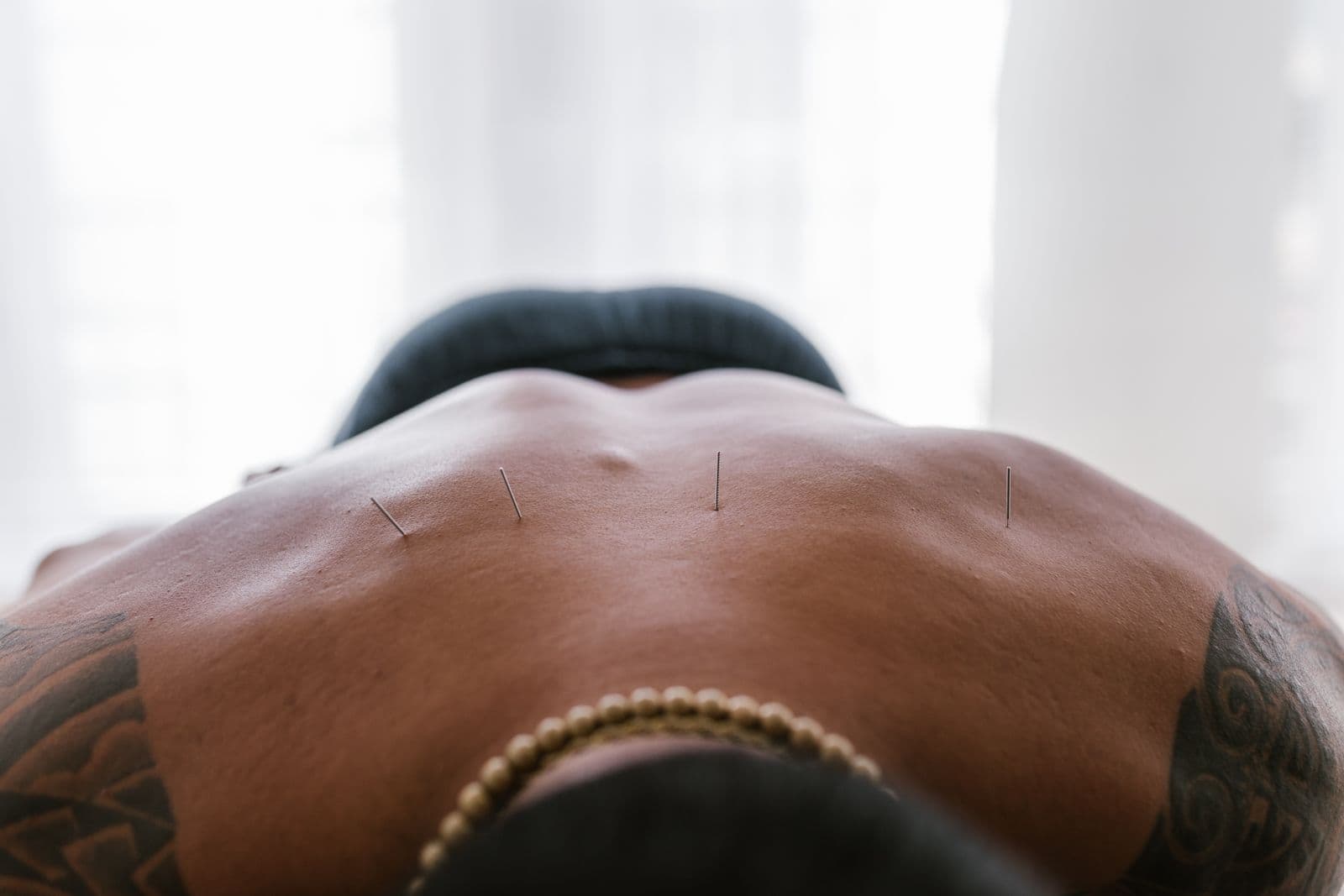
Acupuncture uses fine needles at specific points to modulate pain signaling, local blood flow, and central nervous system processing. Licensed acupuncturists (LAc) in New York train extensively in needling safety and traditional or integrative pain protocols.
Neither replaces medical workup when you have red flags — fever, unexplained weight loss, progressive weakness, bowel or bladder changes, or major trauma. Both are conservative options for many common pain syndromes after appropriate evaluation.
Chiropractic vs. Acupuncture: Side-by-Side
| Factor | Chiropractic | Acupuncture |
|---|---|---|
| Primary tools | Spinal/extremity adjustment, mobilization, rehab, soft tissue therapy | Needling, sometimes electro-acupuncture, cupping, or moxibustion |
| Typical focus | Joint mechanics, posture, muscle balance, nerve compression patterns | Pain modulation, trigger points, autonomic and peripheral nerve effects |
| Low back pain (guidelines) | Spinal manipulation listed among first-line non-drug options (ACP 2017) | Supported in meta-analyses; often adjunct rather than sole first-line in US guidelines |
| Visit feel | Hands-on movement, stretching, audible joint release possible | Needle insertion, resting with needles in place; minimal joint thrust |
| Combining care | Often pairs with PT-style exercise; can coordinate with acupuncture | Can complement manual therapy when providers communicate |
What Guidelines and Trials Say About Back Pain
The American College of Physicians 2017 guideline recommends non-drug treatments — including spinal manipulation — before medication for most acute and chronic low back pain. That's one reason chiropractic sits in the mainstream conversation for mechanical back pain.
For acupuncture, Vickers et al., JAMA Internal Medicine, 2018 pooled data from thousands of patients and reported acupuncture associated with meaningful pain reduction versus no acupuncture across back, neck, and osteoarthritis pain. Effects are often described as modest but clinically relevant for many people living with chronic symptoms.
A 2017 systematic review (Paige et al.) on spinal manipulation for acute low back pain found improvements in pain and function compared to several comparators, reinforcing why chiropractors are frequently consulted early in the care pathway — alongside physical therapy and patient education.
Neck Pain, Headaches, and Sciatica
Mechanical neck pain and cervicogenic headache often respond to a combination of manual therapy and exercise. Chiropractic addresses cervical joint hypomobility and upper thoracic restriction; acupuncture may reduce pain intensity while you work on posture and strength. If you spend hours on a laptop — common for Queens commuters and remote workers — fixing the mechanical pattern matters regardless of which needle or adjustment you prefer.
For radiating leg pain, imaging and exam determine whether disc herniation, stenosis, or joint dysfunction is driving symptoms. Chiropractic care may include traction-style decompression and nerve-gliding strategies; acupuncture is sometimes used for symptom relief during rehab. Neither should delay surgical evaluation when progressive neurological deficit is present.
How Chiropractic Compares to Other Conservative Options
Still deciding between professions? Our articles on chiropractic vs. physical therapy and functional medicine vs. chiropractic explain how training, visit structure, and typical treatment plans differ — useful context when acupuncture is only one piece of your research.
After an adjustment, many patients notice muscles relaxing as joint pressure eases. That sensation has a biomechanical and neurological explanation; read why muscles relax after a chiropractic adjustment for a plain-language breakdown.
Choosing What Fits You in Forest Hills
Practical questions to ask any provider: What is my working diagnosis? How many visits before we reassess? What happens if I don't improve? Will you coordinate with my physician or acupuncturist? At Nektalov Chiropractic & Wellness, we prioritize clear answers and referrals when chiropractic isn't the right primary tool.
If you already see an acupuncturist, bring that information to your visit. Coordinated conservative care beats fragmented guessing — especially for chronic pain that flares with stress, sleep loss, or long commutes on the E/F line.
The Bottom Line
Chiropractic and acupuncture both have published evidence for common pain conditions. Guidelines prominently include spinal manipulation for low back pain; acupuncture meta-analyses support use for several chronic pain syndromes. Many Forest Hills patients choose chiropractic first for mechanical spine and joint issues, add acupuncture when they want needle-based symptom support, or combine both under informed, collaborative care.
Book a comprehensive evaluation at Nektalov Chiropractic & Wellness or schedule online. 108-50 71st Ave, Lower Level, Forest Hills, NY 11375 · (718) 275-9000
Frequently asked questions
Is chiropractic or acupuncture better for back pain?
Neither is universally better. Clinical guidelines list spinal manipulation among first-line options for low back pain, while acupuncture shows modest benefit in high-quality trials for chronic low back pain. Many patients choose based on preference, prior response, and whether their pain is primarily mechanical (joint/muscle) or they want a needle-based neurophysiologic approach.
Can you combine chiropractic and acupuncture?
Yes. The two approaches target different mechanisms — joint mechanics and soft tissue with chiropractic, and peripheral nerve modulation with acupuncture. Used together under coordinated care, they can complement each other for neck pain, headaches, and chronic spinal conditions, as long as each provider knows what the other is doing.
What does research say about acupuncture for pain?
A 2018 meta-analysis in JAMA Internal Medicine (Vickers et al.) found acupuncture associated with statistically significant reductions in chronic pain compared to no acupuncture, with effects persisting at follow-up. Effect sizes are typically modest, and sham-controlled trials show part of the benefit may be contextual — but real-world pain relief matters to patients.
How does chiropractic compare for neck pain?
For mechanical neck pain, spinal manipulation has guideline support and trial data comparable to other recommended therapies. Acupuncture also shows benefit in systematic reviews for neck disorders. Chiropractic care often includes exercise and posture work; acupuncture sessions focus on needling protocols — compare what each plan actually includes, not just the label.
Which option is safer?
Both are generally safe when performed by licensed professionals. Serious adverse events are rare for acupuncture (mostly minor soreness or bruising) and uncommon for spinal manipulation (with appropriate screening for red flags). Always disclose medications, pregnancy, bleeding disorders, and prior surgery before either treatment.
Where can I get evidence-informed chiropractic care in Forest Hills, Queens?
Nektalov Chiropractic & Wellness in Forest Hills, Queens, NY offers spinal adjustments, soft tissue therapy, rehabilitation, and integrative wellness support. Dr. Boris Nektalov evaluates whether chiropractic is appropriate and can discuss how acupuncture might fit your overall plan if you are already seeing an acupuncturist. Call (718) 275-9000 or book online at nektalovhealth.com.
This article is intended for informational purposes and does not constitute medical advice. Always consult a licensed healthcare provider regarding your specific condition.